
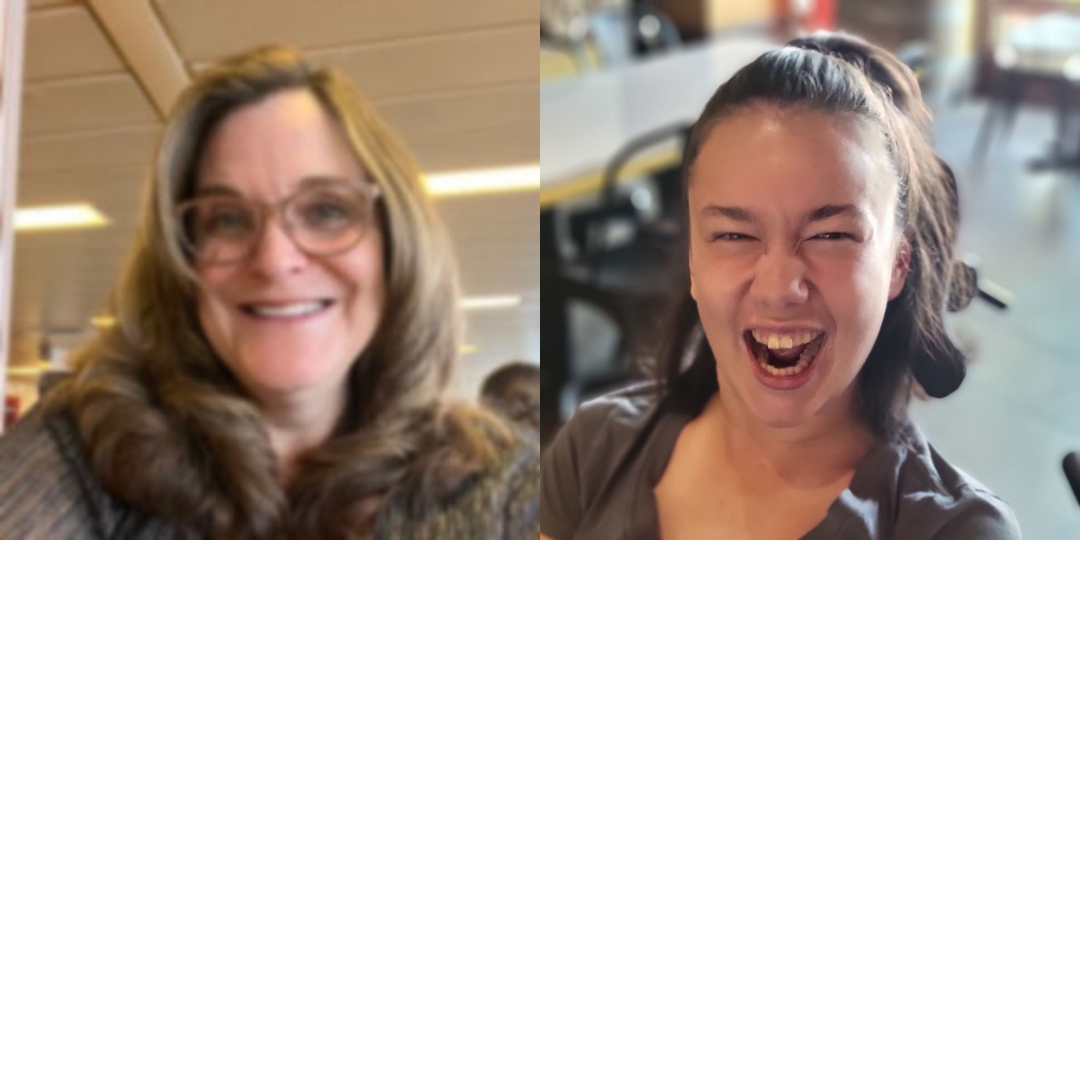
Presenter(s)
Event Details
Topic:
accessibility & UDL
Format:
lecture
Subject Level:
intermediate
Age Span:
preschool
kindergarten - grade 6
grades 7-12
adult
Target Audience:
AT specialist
autism specialist
consultant
educator
family member / caregiver
K-12 administration
occupational therapist
paraprofessional
physical therapist
special educator
speech language pathologist
teacher of the visually impaired
university professor / personnel
vision impairment specialist
Professional Development Credits
IACET CEUs:
0.01
ACVREP CEs:
1
Presentation Length: 1 hour
Date and Time (Central Daylight Time):
- October 22, 2026
- 1:30 PM - 2:30 PM
Location:
Edina
Description:
This presentation explores how cognitive load theory applies to individuals using alternative access methods for communication, mobility, and learning. Based on Kennedy and Romig’s foundational research, the session examines how people with disabilities face compounded cognitive demands of simultaneously managing their learning task while operating assistive tools.
We contrast cognitive load experiences between individuals with and without disabilities, revealing why tool selection is critical. Through Drew’s personal story as an adult with disabilities, participants will gain insight into how assistive technology choices impact daily life for alternative access users.
The session concludes with practical strategies for recognizing cognitive overload, evaluating tool appropriateness, and intentionally reducing unnecessary cognitive demands. Participants leave with actionable insights for designing more equitable systems and selecting tools that support the cognitive resources of alternative access users.
Learning Outcomes:
As a result of this activity, participants will be able to:
• Define cognitive load theory and explain how limited auditory, visual, and tactile processing capacity impacts learning, particularly for individuals using alternative access methods.
• Identify the dual cognitive demands faced by people with disabilities who must simultaneously manage their primary task (communication, learning, mobility) and the operation of assistive technology.
• Implement practical strategies to reduce cognitive load in educational, therapeutic, and professional settings by designing systems and providing tools that support the cognitive resources of individuals using alternative access.
Disclosures:
None
Heidi Brisin receives payment from the Special Education Technology Center (SETC), where she provides Technical Assistance. SETC is funded, in part, by the Washington Office of Superintendent of Public Instruction (OSPI). She is also employed as an Assistive Technology Specialist by the Edmonds School District (ESD), a school district which may be featured in this presentation. Heidi also has a private practice.
Leave A Comment
You must be logged in to post a comment.