
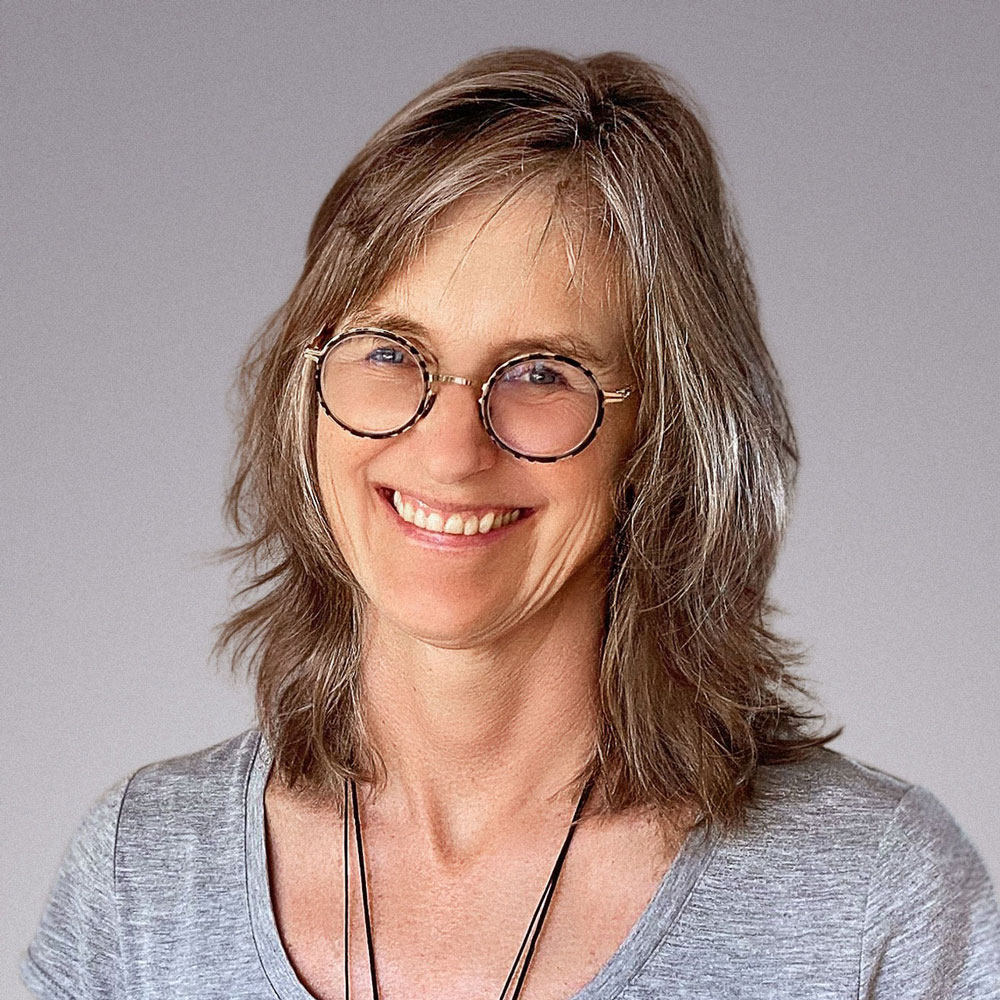
Presenter(s)
Event Details
Topic:
research
Format:
lecture
Subject Level:
beginner
Age Span:
adult
Target Audience:
educator
family member / caregiver
healthcare administration
K-12 administration
paraprofessional
special educator
speech language pathologist
university professor / personnel
Professional Development Credits
IACET CEUs:
0.01
ACVREP CEs:
1
Presentation Length: 1 hour
Date and Time (Central Daylight Time):
- October 22, 2026
- 1:30 PM - 2:30 PM
Location:
Plaza 2
Description:
After introducing myself and my book, I will open the session by reading the prologue and a passage from the first chapter that describes my multiply disabled daughter.
I will describe how anthropologists study disability, using examples from three recent books on language, communication, and technology that focus on disabled people in India and the U.S. I will tease out the critique of mainstream assumptions about language and communication offered by these ethnographies. This section of the lecture will provide participants with an understanding of anthropology and the holistic view of social life that our methods provide.
I will share insights from my own book, focusing on “Becoming an Operating System,” a chapter in Beautiful Mystery that describes my daughter’s experiences with assistive and augmentative technology, alongside ethnographic research with other families like my own. (This chapter is also available as an open access article: “Becoming an Operating System: Disability, Difference, and the Ethics of Communication in the United States.”) This section of the lecture will illuminate the hopes and fears felt by parents, as well as the tacit knowledge they possess, when it comes to communicating with their multiply disabled children.
I will end with a reading from the end of my book, which celebrates the creative and joyful ways my daughter engages with me through a brief, experience-near vignette. Technology alone is not enough, I’ll argue, based on my research and life experience. To communicate with someone, we need to be ready to share in their experiences: we do this through sight, touch, and sound, and not just words.
I will open the floor for questions.
Learning Outcomes:
As a result of this activity, participants will be able to:
• As a result of this presentation, audience members will be able to define ethnography and identify the main findings from four recent books that have used this method to study communication among disabled people (Michele Friedner’s Sensory Futures: Deafness and Cochlear Implant Infrastructures in India; Terra Edward’s Going Tactile: Life at the Limits of Language; Joshua Reno’s Home Signs: An Ethnography of Life beyond and beside Language; and Danilyn Rutherford’s Beautiful Mystery: Living in a Wordless World).
• As a result of this presentation, audience members will be able to list three key characteristics of the mainstream American understanding of communication: its focus on referential meaning, its stress on the individual and her intentions, and its valorization of spoken language.
• As a result of this presentation, audience members will be able to identify three examples of how anthropological research has challenged these mainstream views, showing that communication involves a collaborative effort to connect, and not just a commitment to communicate ideas.
Disclosures:
Danilyn receive sa salary from the Wenner-Gren Foundation for Anthropological Research. She donates the royalties from all my books, including Beautiful Mystery: Living in a Wordless World; those funds are helping Duke University Press publish first time authors.
Leave A Comment
You must be logged in to post a comment.