
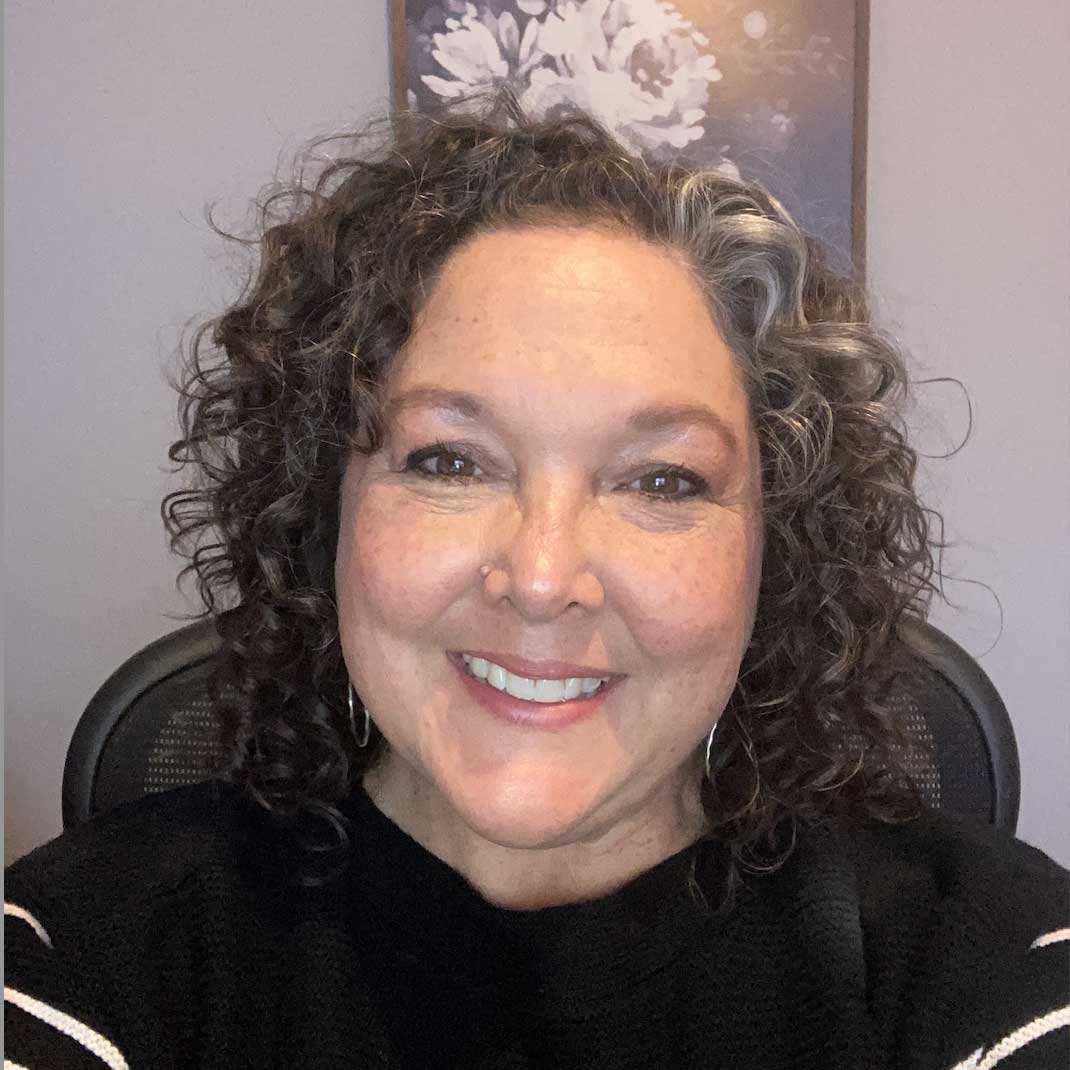
Presenter(s)
Event Details
Topic:
augmentative and alternative communication (AAC)
Format:
lecture
Subject Level:
beginner
Age Span:
infant / toddler
preschool
kindergarten - grade 6
grades 7-12
adult
Target Audience:
AT specialist
autism specialist
consultant
deaf / hard of hearing
educator
family member / caregiver
K-12 administration
occupational therapist
paraprofessional
physical therapist
special educator
speech language pathologist
teacher of the visually impaired
university professor / personnel
vision impairment specialist
Professional Development Credits
IACET CEUs:
0.01
ACVREP CEs:
1
Presentation Length: 1 hour
Date and Time (Central Daylight Time):
- October 21, 2026
- 11:30 AM - 12:30 PM
Location:
Bloomington
Description:
This session will equip educators, speech-language pathologists, and parents with the knowledge and skills to improve AAC (Augmentative and Alternative Communication) strategies for individuals with cortical visual impairment (CVI). Examining best practices in AAC, symbol selection, and application bridges understanding with practical use. Key objectives include understanding the visual processing challenges faced by individuals with CVI and emphasizing collaboration with Teachers of Students with Visual Impairments to create effective solutions. Participants will learn to recognize individuals with CVI’s visual preferences, select appropriate symbols, systems, and devices, and adapt communication methods such as partner-assisted scanning and tactile or auditory channels.
Learning Outcomes:
As a result of this activity, participants will be able to:
• Participants will be able to:
Analyze the visual characteristics and processing challenges associated with the different phases of Cortical Visual Impairment (CVI) to determine their impact on a student’s capacity to use traditional AAC symbols and systems.
• Participants will be able to:
Evaluate the appropriateness of specific AAC access methods—including direct selection, eye gaze, and partner-assisted scanning—based on an individual’s CVI phase and current visual, auditory, or tactile preferences.
• Participants will be able to:
Formulate a collaborative intervention plan with Teachers of Students with Visual Impairments (TSVIs) that integrates low-tech strategies and tailored symbol selection to create an accessible communication environment.
Disclosures:
Paige is owner, Buckingham Educational Services & Training, LLC
AT Lead Facilitator, Kansas Infinitec
Non-financial: ASHA member
Leave A Comment
You must be logged in to post a comment.