
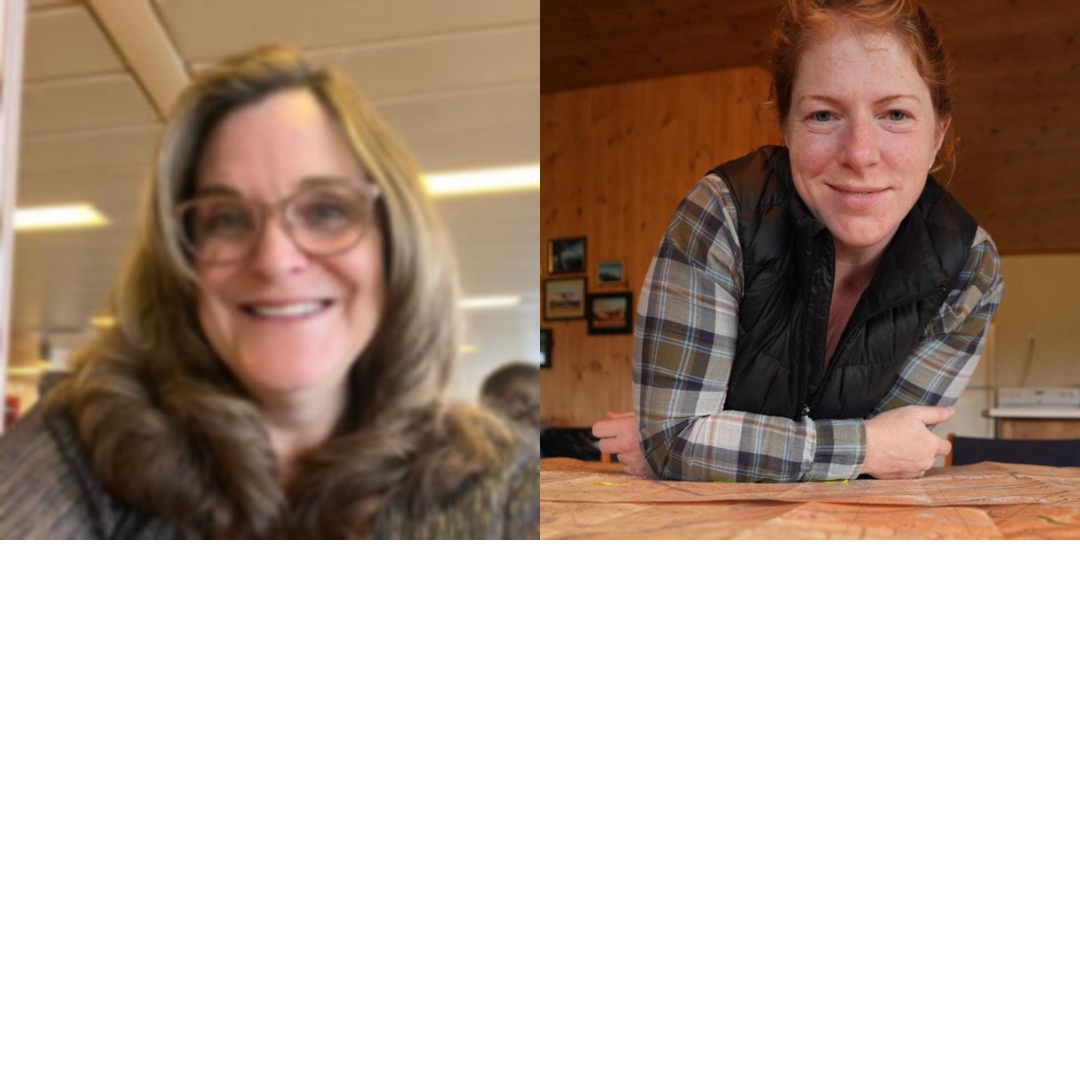
Presenter(s)
Event Details
Topic:
instruction, literacy & inclusion
Format:
lecture
Subject Level:
intermediate
Age Span:
preschool
kindergarten - grade 6
grades 7-12
Target Audience:
AT specialist
autism specialist
consultant
deaf / hard of hearing
educator
family member / caregiver
K-12 administration
occupational therapist
paraprofessional
physical therapist
special educator
teacher of the visually impaired
university professor / personnel
vision impairment specialist
Professional Development Credits
IACET CEUs:
0.01
ACVREP CEs:
1
Presentation Length: 1 hour
Date and Time (Central Daylight Time):
- October 21, 2026
- 1:30 PM - 2:30 PM
Location:
Plaza 6
Description:
This presentation challenges the common practice of relying on a single AAC access method. When the access method is harder than the task itself, students disengage and lose opportunities for meaningful communication and autonomy.
Through storytelling, we explore why a versatile toolkit matters more than any single tool. A comprehensive roadmap for alternative access—spanning unaided communication, light-tech options like eye gaze frames, and high-tech systems—supports students across different environments and communication partners.
Real classroom examples from PreK through secondary settings illustrate how layering multiple access methods builds literacy, meets diverse communication purposes, and fosters genuine interdependence. Attendees will discover practical strategies for selecting and sequencing access options while keeping students’ long-term vision at the center of impactful implementation.
Learning Outcomes:
As a result of this activity, participants will be able to:
• Identify and categorize multiple access methods across the spectrum—from unaided and light-tech to high-tech solutions—and recognize how each serves different purposes and contexts.
• Analyze real classroom scenarios to determine when and how to layer multiple access methods to support literacy development, functional communication, social connection, and leisure.
• Design a personalized toolkit strategy for AAC users with complex bodies that ensures access methods are easier than the tasks they enable, promoting student success and meaningful participation.
Disclosures:
Amy Connolly receives payment from the Special Education Technology Center (SETC), where she provides Technical Assistance. SETC is funded, in part, by the Washington Office of Superintendent of Public Instruction (OSPI). She is also employed as an Assistive Technology Specialist by the Bellingham Public Schools (BPS), a school district which may be featured in this presentation.
Heidi Brisin receives payment from the Special Education Technology Center (SETC), where she provides Technical Assistance. SETC is funded, in part, by the Washington Office of Superintendent of Public Instruction (OSPI). She is also employed as an Assistive Technology Specialist by the Edmonds School District (ESD), a school district which may be featured in this presentation. Heidi also has a private practice.
Leave A Comment
You must be logged in to post a comment.