
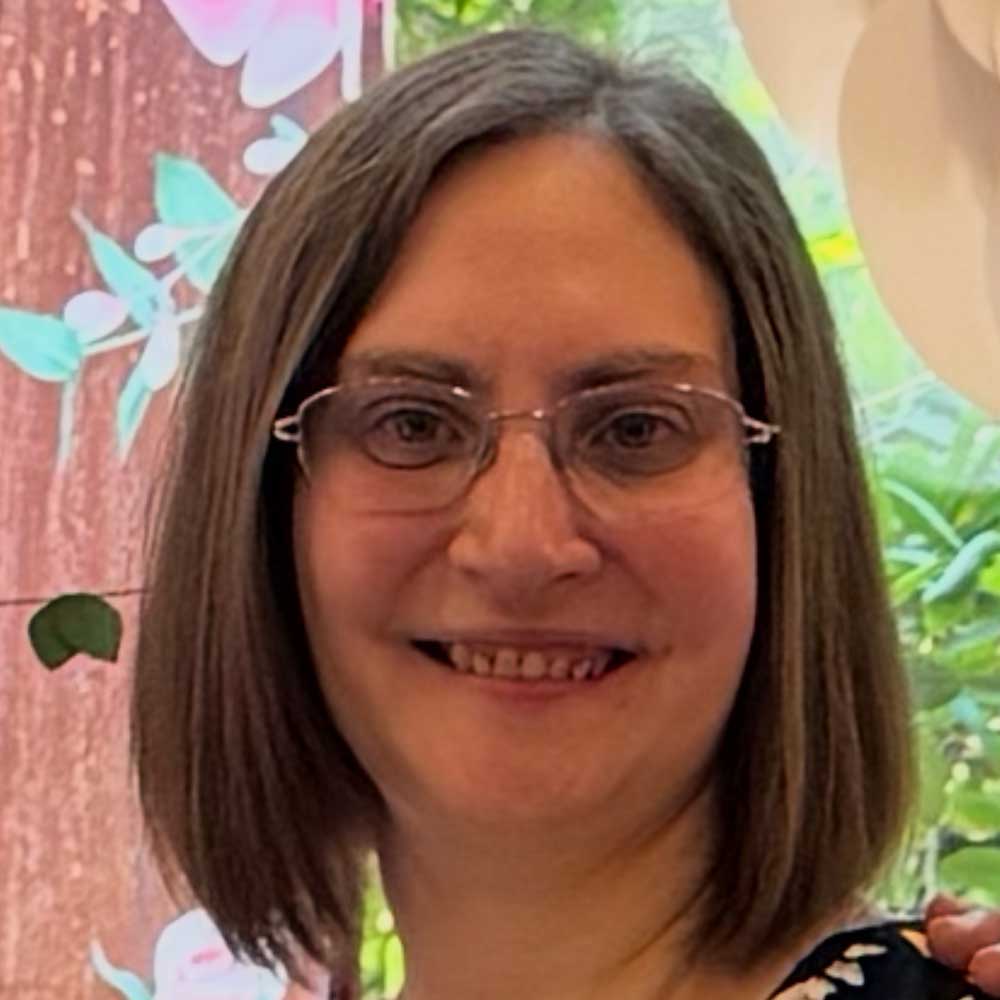
Presenter(s)
Event Details
Topic:
instruction, literacy & inclusion
Format:
demonstration
Subject Level:
intermediate
Age Span:
preschool
kindergarten - grade 6
Target Audience:
AT specialist
educator
special educator
speech language pathologist
Professional Development Credits
IACET CEUs:
0.01
ACVREP CEs:
1
Presentation Length: 1 hour
Date and Time (Central Daylight Time):
- October 21, 2026
- 10:00 AM - 11:00 AM
Location:
Plaza 3
Description:
This session will examine common access barriers faced by emergent learners and provide practical strategies to ensure equitable access to both literacy and communication. Participants will explore how to implement adaptive tools and assistive technologies to support reading, writing, and expressive communication, thereby increasing engagement and independence. Through live demonstrations and evidence-based instructional practices, attendees will learn how to reduce barriers and design more inclusive learning environments. Real-world student case studies will highlight the impact of these approaches on access, participation, and outcomes. Designed for all staff who work with students with CCN. This session will equip participants with actionable, immediately applicable strategies to create more accessible and inclusive learning experiences for all students.
Learning Outcomes:
As a result of this activity, participants will be able to:
• Participants will be able to identify at least three instructional strategies that support access to the curriculum for students with complex communication needs and align each strategy with the roles of educators and related service providers in inclusive or self-contained settings, using reading, writing, and communication assistive technology tools.
• Participants will be able to demonstrate how to integrate two or more assistive technology tools, such as accessible texts, accessible writing, and AAC systems, into collaborative lesson planning to enhance communication and participation.
• Participants will be able to analyze student communication profiles and select at least 1 appropriate tool/accommodation (e.g., assistive technology tools, visuals, adapted materials, etc) that reflects the shared responsibilities of general educators, SLPs, OTs, and paraprofessionals.
Disclosures:
Employed by Crystal Lake Elementary School District 47
ASHA Member
RESNA Member
Leave A Comment
You must be logged in to post a comment.