


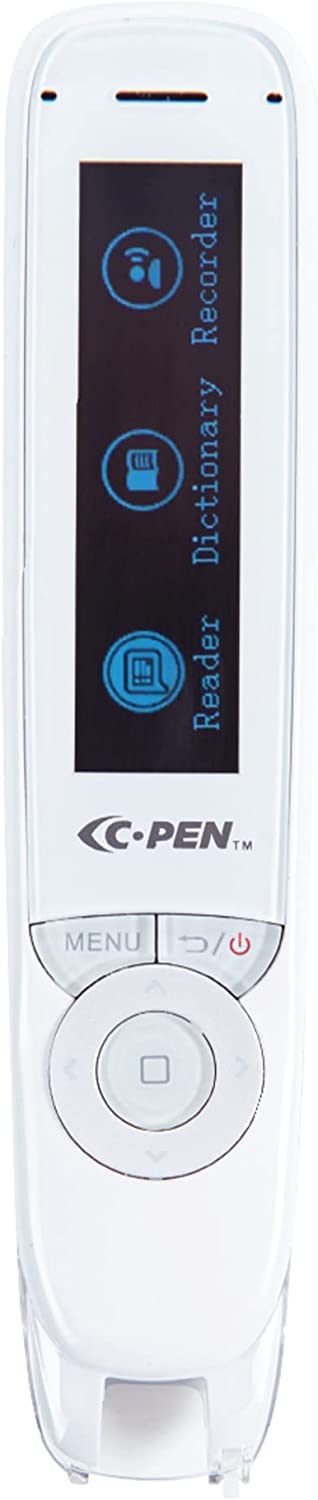
Paper Doesn’t Come with a Play Button
Take a look around any classroom and you’ll see plenty of technology. Chromebooks, tablets, learning apps, and text-to-speech tools have become part of everyday instruction.
But here’s the thing: printed text hasn’t gone anywhere.
Students are still working through worksheet packets, paper quizzes, novel studies, and handouts every single day. And research suggests many learners actually comprehend and retain more when they’re reading from paper than from a screen.
So here’s the practical question a lot of educators run into:
If a student has a read-aloud or text-to-speech accommodation, what happens when the text is on paper?
Most schools have software that reads digital text aloud. But students don’t spend their whole day on a screen — they’re still holding paper, a lot of it. And paper doesn’t come with a play button.
That’s where a reading pen from Scanning Pens can help!
A reading pen lets a student scan across a line of printed text and hear it read aloud instantly — no waiting for help, no converting materials to digital first. Just the text, read back, right when they need it.
Scan. Listen. Understand.
It’s a simple idea. But for many students, it’s a big difference

Who Ends Up Using One
If you’ve got a student who knows the material but stalls out on decoding, or an English language learner who needs to hear a word to really grab onto it — this is often where a reading pen fits in.
We see them used most by:
- Students with dyslexia and other reading difficulties
- Learners with ADHD
- English language learners
- Students with IEPs and 504 Plans
- College students and adult learners
To be clear — these pens don’t replace good reading instruction. That’s not the goal. The goal is to help students access the same information as their peers and work more independently when they need a little extra support.

What Schools Are Seeing
We hear this from teachers constantly, but the pilot data backs it up too:
- 93% improved reading comprehension
- 87% increased independence when completing work
- 77% reported greater confidence while reading
- 73% improved reading self-efficacy
- 67% completed work on time more consistently
One intervention specialist put it this way:
“Watching the confidence that appeared in my student immediately after learning how to use the reading pen melted my heart. I have watched this student struggle for years, and now he is completing 90% of his work on his own using the pen. In this short amount of time, it has changed his life.” — Intervention Specialist, Grand Valley Elementary School, Ohio
See it in action: Meet Lincoln, a student using a scanning pen to access classroom materials more independently and confidently.
How It Actually Works
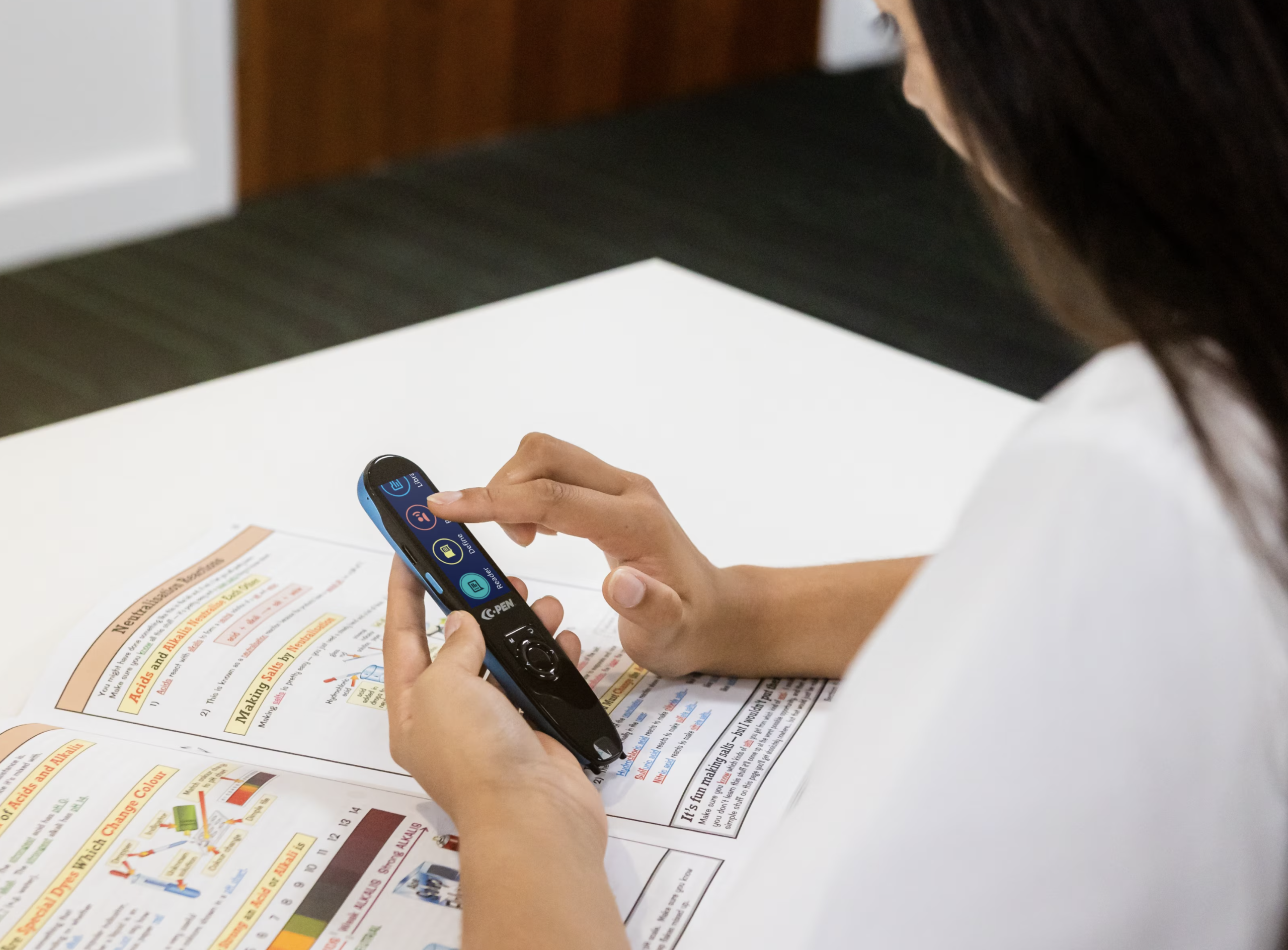
Using a reading pen is about as simple as it sounds: place it on a line of printed text, scan across the words, and listen through the speaker or headphones as it’s read aloud.
Pens work with printed text (not handwriting), and they’re built to handle most classroom materials in common fonts like Arial, Times New Roman, and Calibri (sizes 6 to 22 work best).
What This Looks Like as a Device
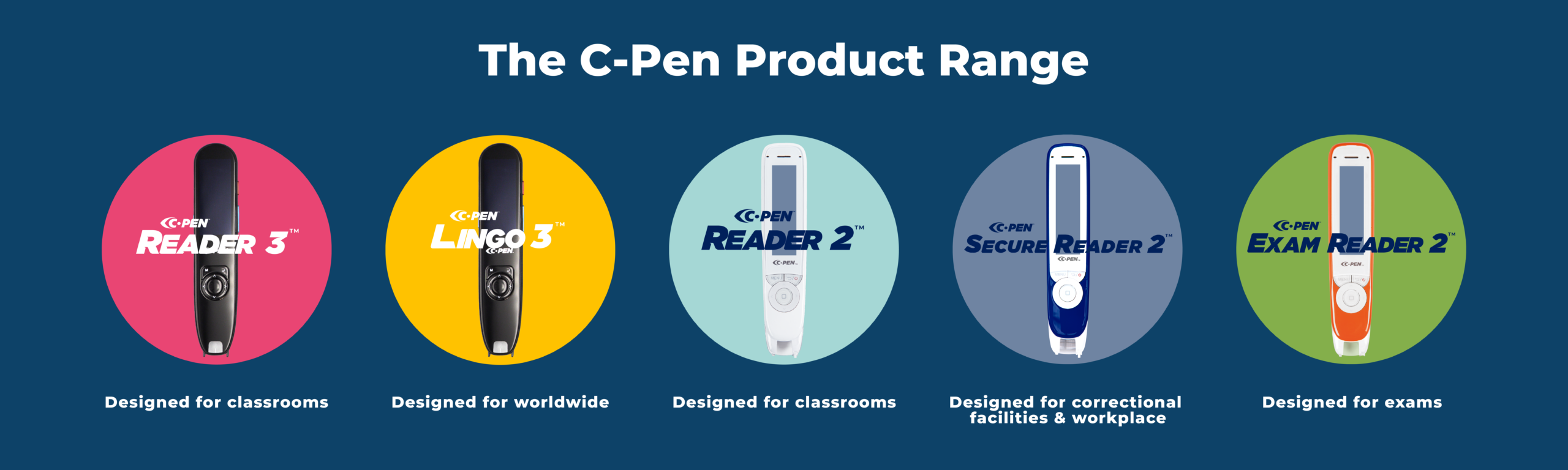
If you’re picturing a clunky piece of assistive tech — it’s not that. Here’s the quick rundown:
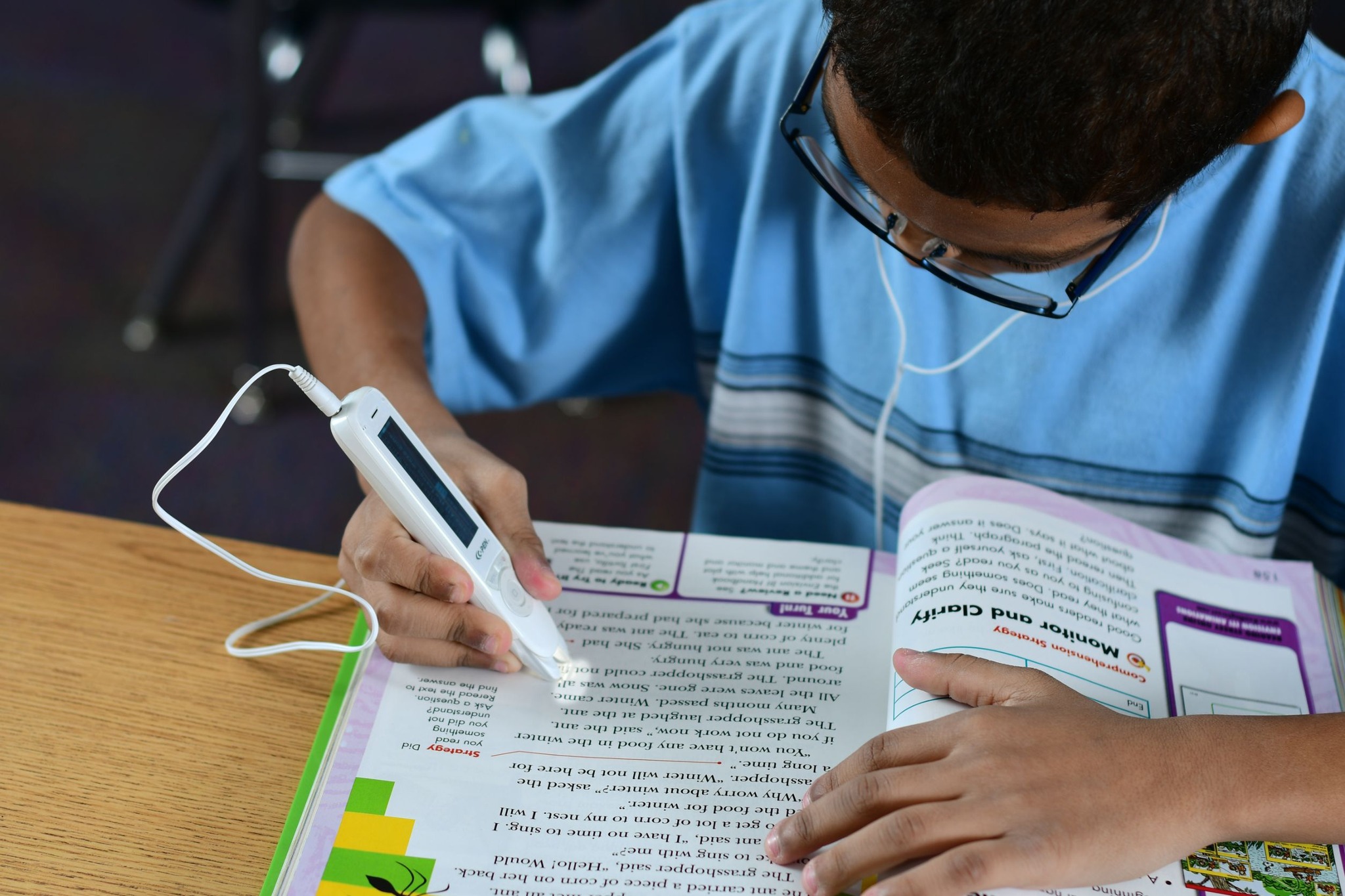
Reader 2 handles text-to-speech, comes with built-in dictionaries and voice recording, and has an Exam Lock Mode, so it can be used during testing without raising accommodation concerns. No Wi-Fi is needed.
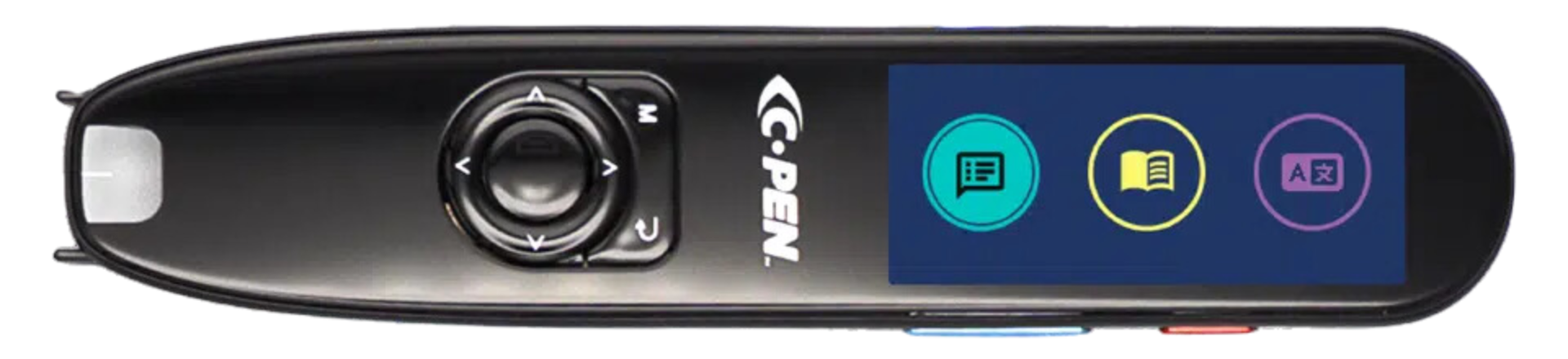
Reader 3 includes everything Reader 2 does, plus a color touchscreen, translation tools, and Wi-Fi/Bluetooth connectivity.
But honestly, what educators usually notice first isn’t the tech specs. It’s the shift in a student’s confidence the moment they realize they can get the words on their own.
See It for Yourself
The best way to understand what a reading pen does is to put one in a student’s hand and watch what happens — the way that intervention specialist did with her student, or the way Lincoln’s teacher did with him.
That’s why we offer a free 30-day trial — no cost, no obligation, just you, your students, and the pen. And if you want to go further, our 60-day pilot program lets your team collect real data on outcomes to support purchasing decisions or a broader rollout.
Paper still doesn’t come with a play button. Now it doesn’t need one. Happy scanning!




Leave A Comment
You must be logged in to post a comment.