
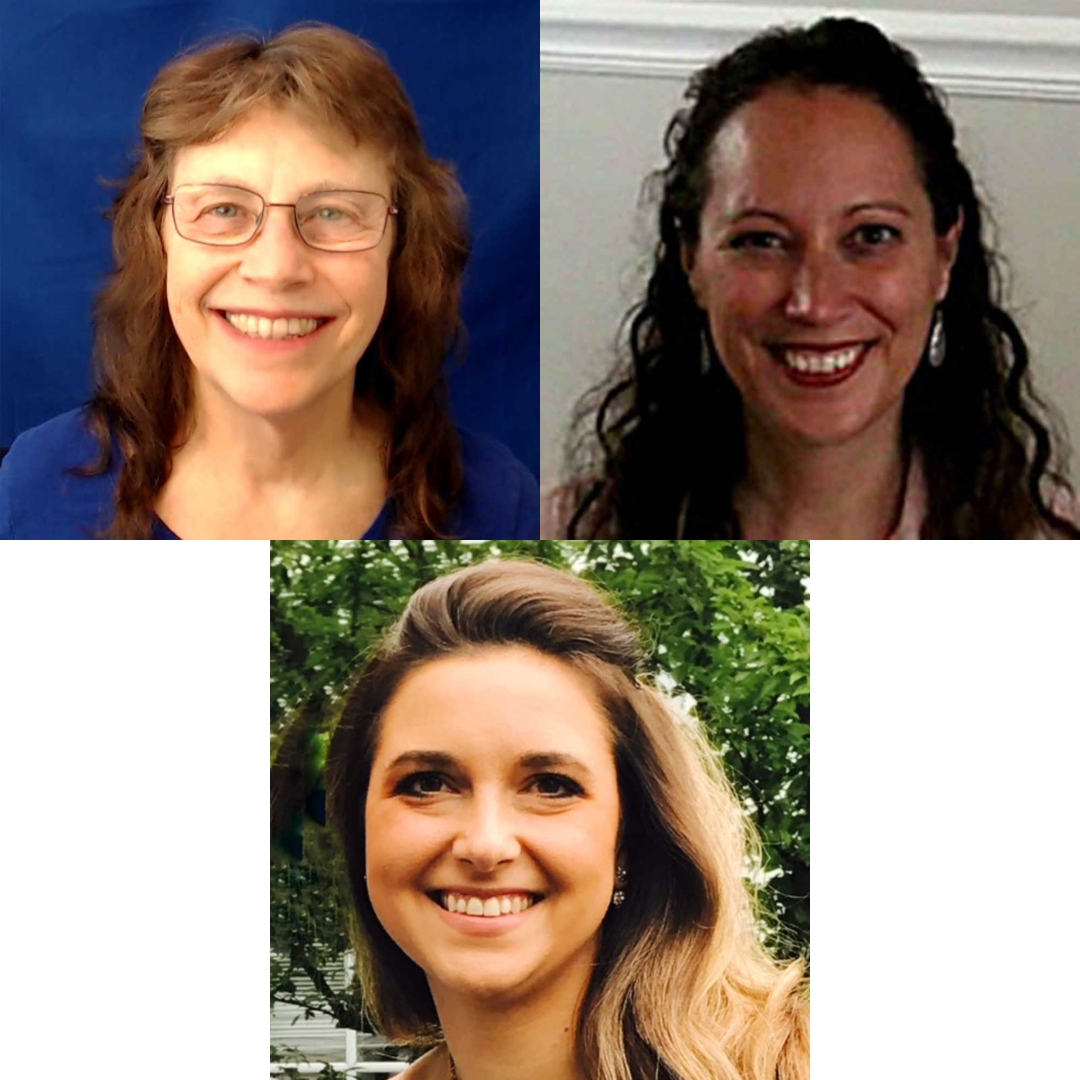
Presenter(s)
Event Details
Topic:
assessment & IEPs
Format:
lecture
Subject Level:
intermediate
Age Span:
infant / toddler
preschool
kindergarten - grade 6
Target Audience:
AT specialist
autism specialist
consultant
educator
family member / caregiver
K-12 administration
occupational therapist
paraprofessional
physical therapist
special educator
speech language pathologist
teacher of the visually impaired
university professor / personnel
vision impairment specialist
Professional Development Credits
IACET CEUs:
0.3
ACVREP CEs:
2.5
Presentation Length: 2hrs 30mins
Date and Time (Central Daylight Time):
- October 22, 2026
- 10:00 AM - 12:30 PM
Location:
Plaza 1
Description:
Children with Complex Communication Needs (CCN), Cortical Visual Impairment (CVI), and significant physical and medical challenges are often not well served by formal assessment alone. Barriers related to access, vision, movement, regulation, and communication can mask true abilities. This session highlights dynamic assessment through a parallel learning team process, where students engage in meaningful communication, literacy, and access experiences while teams simultaneously observe, problem-solve, adjust supports, and deepen understanding of each student. Through three case studies, we will share how ongoing observation, collaboration, language sampling, and trialing of supports reveal strengths, access needs, and learning potential over time. Practical tools will be discussed, along with ways to connect assessment to communication, curriculum access, and educational planning that supports meaningful participation.
Learning Outcomes:
As a result of this activity, participants will be able to:
• Participants will identify at least two reasons why formal assessment may not accurately reflect the abilities of students with CCN, CVI, and complex physical and medical needs to inform instruction and/or determine communication device featured requirements
• Participants will describe two examples of how a parallel learning team teaching process supports dynamic assessment by combining student participation with ongoing observation, problem-solving, and adjustment of supports.
• Participants will discuss the use of at least two dynamic assessment tools (e.g., observation, language sampling, or trialing supports) to inform communication, access, and educational planning for students with complex needs.
Disclosures:
Linda Burkhart is self-employed with a small home consulting business and has sold some self-published books. Linda is the author of software collections: Steps Before Step Scanning and Switch On Literacy, that are commercially available through Mind Express (Jabbla). She sometimes demonstrate these activities at trainings, along with other software titles from a variety of vendors. The content of her trainings is intended to be general practical strategies and considerations and not as a showcase solely for these products. Linda consults and presents trainings nationally and internationally on topics such as: Assistive Technology, Multi-Modal Communication, AAC, and PODD (Pragmatic Organization Dynamic Display). She receives honorariums for workshops, trainings and consulting from the organization sponsoring each event.
Rebecca Sobolevsky is the owner of a private practice in speech-language therapy and receives compensation for clinical services and for presenting trainings.
Jaime Show received a salary from her full time role at a rehabilitation hospital. She also contracts with schools and non-profits in the Chicago suburbs for speech-language therapy, trainings and AAC support. Jaime is early intervention certified in IL and mentored by Linda Burkhart and Gayle Porter.
Leave A Comment
You must be logged in to post a comment.