
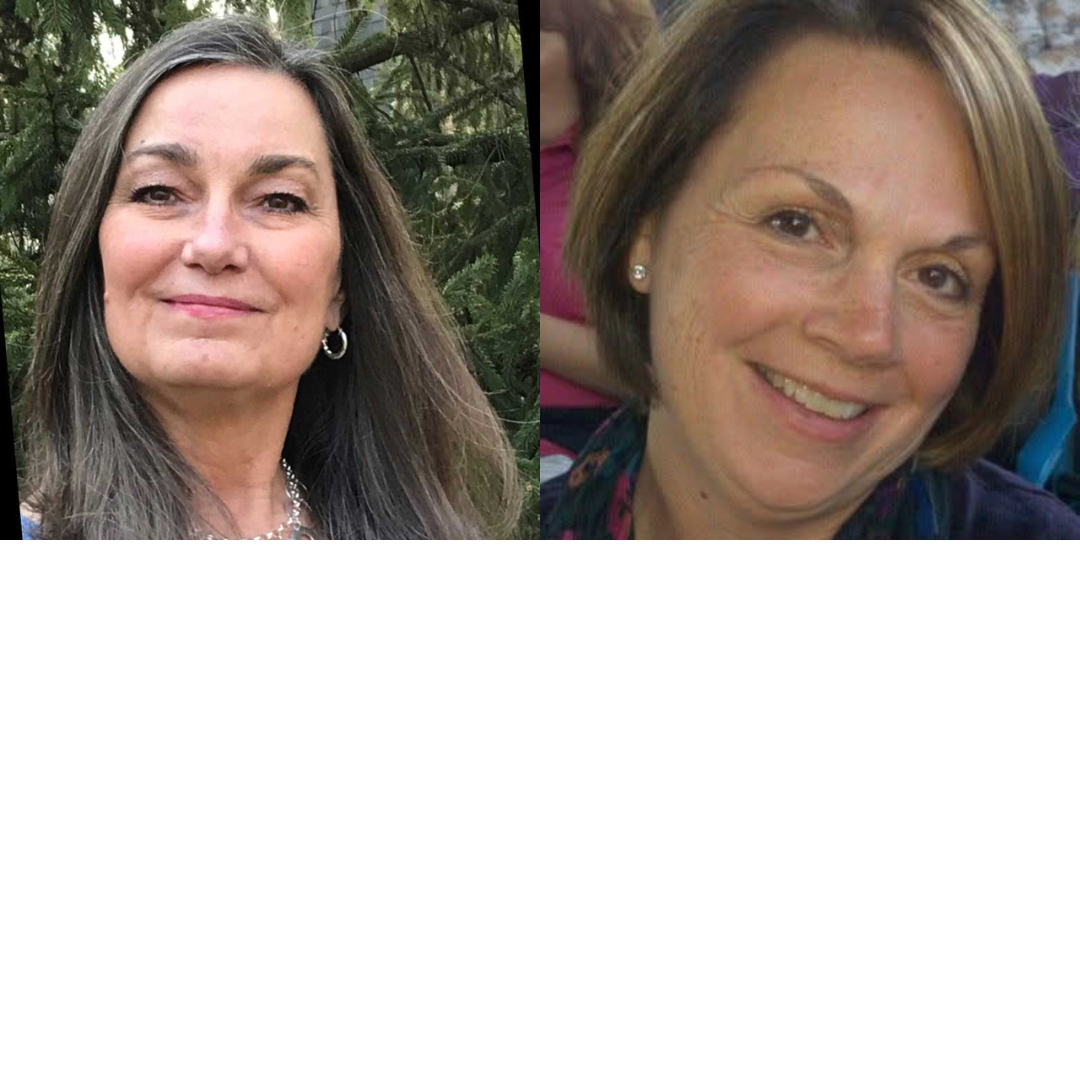
Presenter(s)
Event Details
Topic:
accessibility & UDL
Format:
lecture
Subject Level:
n/a
Age Span:
preschool
kindergarten - grade 6
Target Audience:
AT specialist
autism specialist
consultant
deaf / hard of hearing
educator
family member / caregiver
K-12 administration
occupational therapist
paraprofessional
physical therapist
special educator
speech language pathologist
teacher of the visually impaired
Professional Development Credits
IACET CEUs:
0.01
ACVREP CEs:
1
Presentation Length: 1 hour
Date and Time (Central Daylight Time):
- October 22, 2026
- 8:00 AM - 9:00 AM
Location:
Plaza 5
Description:
Every student has a fundamental right to self-expression through art. However, for students with special needs, participation in art activities may not guarantee meaningful engagement. Furthermore, conventional classroom arrangement and materials might not accommodate diverse needs, leading to missed opportunities for creative expression. Careful consideration of unique strengths and challenges is necessary – including factors such as sensory sensitivities, physical limitations, and difficulties in communication – to “SETT” students up for success. Collaboration between educators and service providers, aligned with Universal Design for Learning (UDL) principles, can make a difference. Proactive strategies and awareness of easily made accommodations can significantly enhance the ability of all students to engage in and enjoy art, supported by a continuum of assistive technologies starting with DIY and accessible resources
Learning Outcomes:
As a result of this activity, participants will be able to:
• Participants will identify five or more factors that can impact participation in art activities.
• Participants will name five or more easily found materials that can be used to create tools to support participation in art activities.
• Participants will list three or more specific interventions during art activities for students with physical, visual, motor, communication and/or sensory difficulties.
Disclosures:
Jan Rogers receives compensation other than for the development of resources for the two grant projects at OCALI’s Center for the Young Child focused on early childhood assistive technology resources and supports, and adapted book supports and strategies for children which when complete will be available and free for anyone to use.
Judith receives honorariums for invited presentations, and payment for contracted trainings from LessonPix. She also receives compensation for the development of resources for the two grant projects at OCALI’s Center for the Young Child focused on early childhood assistive technology resources and supports, and adapted book supports and strategies for children.
Volunteer positions include representing AOTA on the National Joint Committee (NJC) for the Communication Needs of Persons with Severe Disabilities, serving on the editorial board of the Assistive Technology Outcomes and Benefits (ATOB) Journal, co-chairing the newly formed Community of Practice for Assistive Technology in Occupational Therapy, and acting on the Board of Directors of AACcesible.
Leave A Comment
You must be logged in to post a comment.