
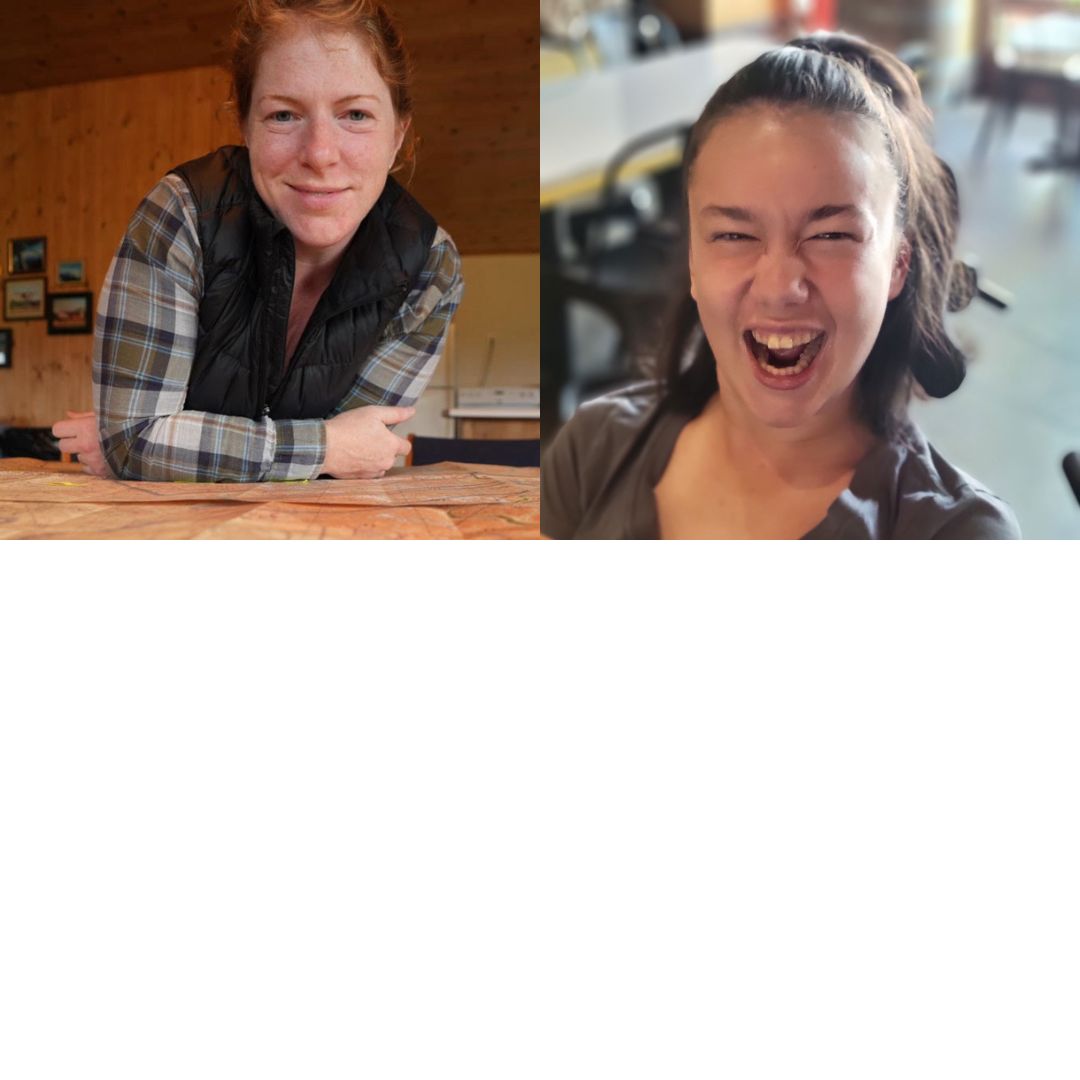
Presenter(s)
Event Details
Topic:
augmentative and alternative communication (AAC)
Format:
lecture
Subject Level:
beginner
Age Span:
preschool
kindergarten - grade 6
grades 7-12
adult
Target Audience:
AT specialist
consultant
educator
family member / caregiver
K-12 administration
occupational therapist
paraprofessional
physical therapist
special educator
speech language pathologist
teacher of the visually impaired
university professor / personnel
Professional Development Credits
IACET CEUs:
0.01
ACVREP CEs:
1
Presentation Length: 1 hour
Date and Time (Central Daylight Time):
- October 21, 2026
- 11:30 AM - 12:30 PM
Location:
Verandas 2, 4
Description:
This session will examine the 18+-year assistive technology journey of Drew Sato, a young adult with cerebral palsy who developed her voice as a storyteller and interviewer while attending the Bridge School and in her life beyond it. Through archival video, participants will observe Drew interviewing well-known rock musicians while using evolving access methods including switch scanning, direct selection on AAC devices, alphabet boards, and early eye-tracking systems. Presenters will analyze these examples using Janice Light’s communicative competence framework and discuss the critical role of literacy in enabling generative communication. Drew will share reflections on her lived experience with assistive technology and communication access. Participants will gain practical insight into how authentic communication opportunities, collaborative support, and expectations can foster autonomy, communicative competence and authorship.
Learning Outcomes:
As a result of this activity, participants will be able to:
• By the end of this session, participants will be able to analyze video-based case examples to identify changes in operational, linguistic, social, and strategic competence across developmental stages.
• By the end of this session, participants will be able to differentiate at least three access method adaptations and explain how each influenced written language production and participation outcomes.
• By the end of this session, participants will be able to develop one actionable strategy for fostering communicative competence and authorship in students who use assistive technology.
Disclosures:
Drew has no relevant financial disclosures to disclose. As for non-financial disclosures, Drew is an Ambassador for Adaptive Switch Labs (ASL) and may demonstrate or informally represent their products in this session.
Amy Connolly receives payment from the Special Education Technology Center (SETC), where she provides Technical Assistance. SETC is funded, in part, by the Washington Office of Superintendent of Public Instruction (OSPI). She is also employed as an Assistive Technology Specialist by the Bellingham Public Schools (BPS), a school district which may be featured in this presentation.
Leave A Comment
You must be logged in to post a comment.