
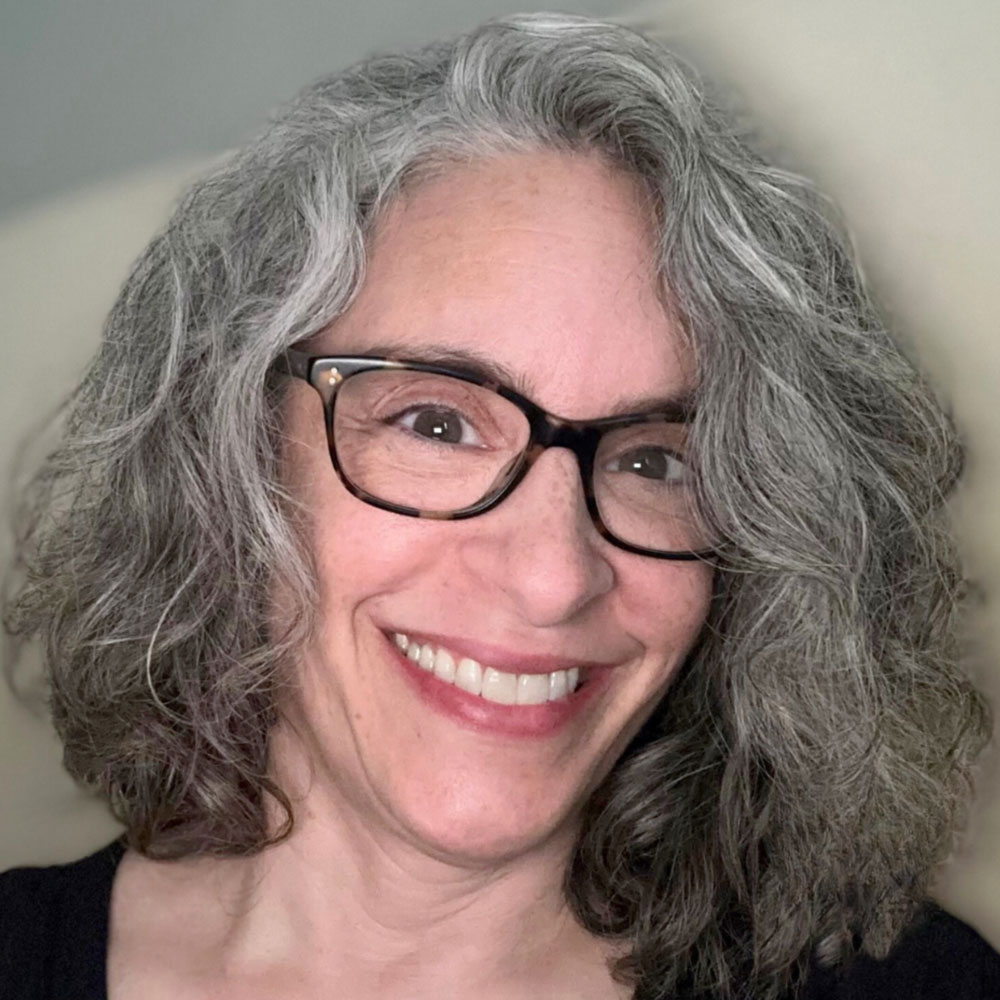
Presenter(s)
Event Details
Topic:
augmentative and alternative communication (AAC)
Format:
lecture
Subject Level:
beginner
Age Span:
infant / toddler
preschool
kindergarten - grade 6
grades 7-12
adult
Target Audience:
AT specialist
autism specialist
consultant
educator
family member / caregiver
K-12 administration
occupational therapist
paraprofessional
physical therapist
special educator
speech language pathologist
university professor / personnel
Professional Development Credits
IACET CEUs:
0.01
ACVREP CEs:
1
Presentation Length: 1 hour
Date and Time (Central Daylight Time):
- October 22, 2026
- 10:00 AM - 11:00 AM
Location:
Atrium 4
Description:
You’ve done everything you were told to do—robust vocabulary, consistent modeling, wait time—and your student still doesn’t seem to be “using” their AAC. Before deciding the system isn’t working, learn to look closer.
Every AAC learner shows signs of intent and engagement, even without pressing a single button. This session introduces the 7 Engagement Signals—proximity, gaze, timing, exploration, consistency, initiation, and emotional connection—and teaches you how to spot them in real student behavior.
Once you can see the signals, you need to know how to respond. The W.A.T.C.H. Framework gives you five concrete strategies for responding in ways that protect autonomy and move communication forward.
Walk away with observation tools, tracking methods, and Monday-ready strategies for supporting AAC users who seem stuck.
Learning Outcomes:
As a result of this activity, participants will be able to:
• 1. Identify the 7 Engagement Signals in real student scenarios, including proximity, gaze, timing, exploration, consistency, initiation, and emotional connection, using concrete examples from diverse AAC users.
• 2. Apply observation strategies to discover what truly matters to individual AAC users—their interests, joys, priorities, and motivations—as the foundation for meaningful communication planning.
• 3. Describe the five components of the W.A.T.C.H. Framework (Wait, Acknowledge, Trust, Create, Honor) and explain how each strategy protects student autonomy while supporting AAC development.
Disclosures:
Lauren receives payments for consulting fees from independent contractor work and fees from speaking/teaching.
She receives app licenses and products in exchange for creation of professional development, feedback, or product reviews.
She is a member of ASHA, ISAAC, USSAAC, and a Board Member for the Nika Project.
Leave A Comment
You must be logged in to post a comment.