
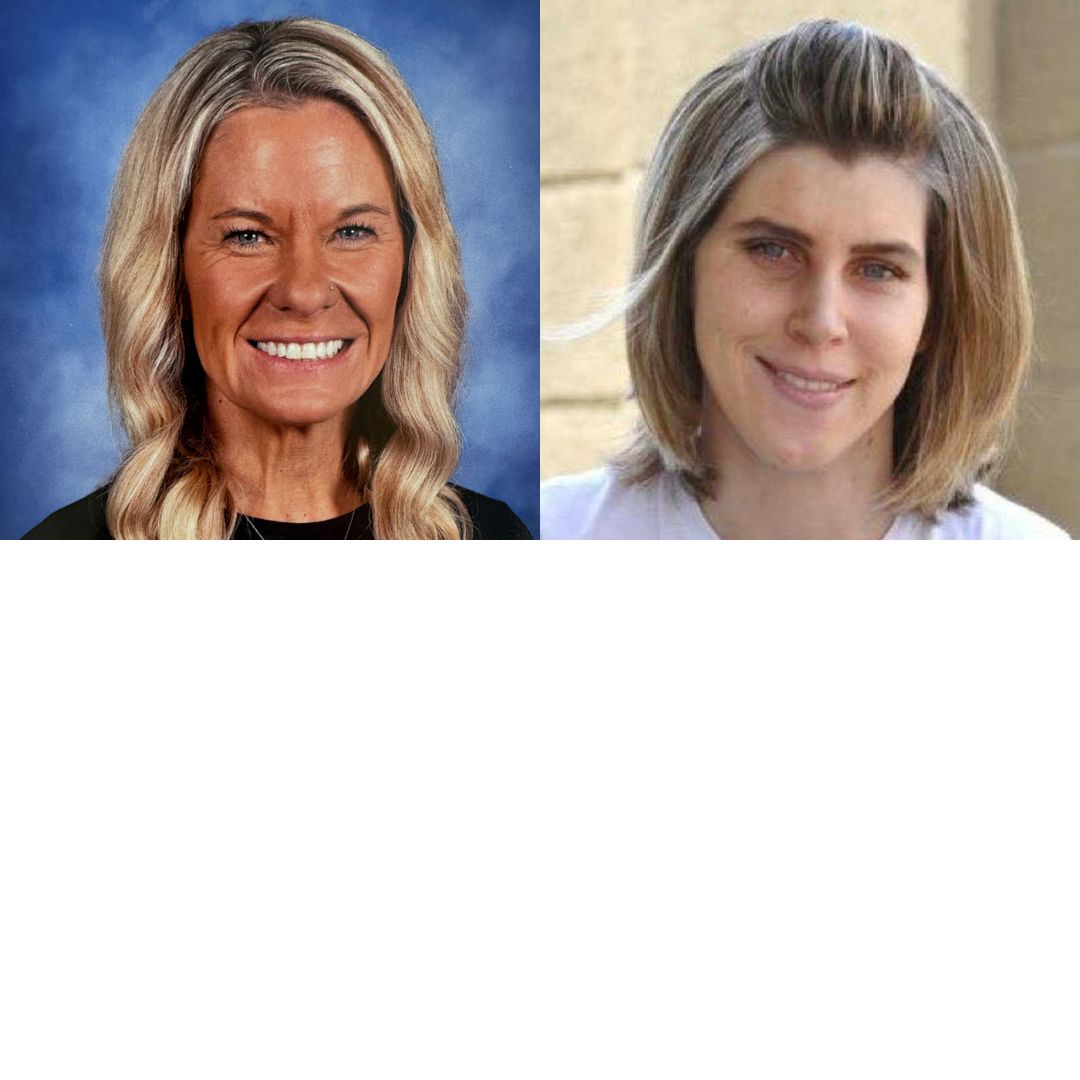
Presenter(s)
Event Details
Topic:
augmentative and alternative communication (AAC)
Format:
networking session / discussion
Subject Level:
n/a
Age Span:
infant / toddler
preschool
kindergarten - grade 6
grades 7-12
adult
Target Audience:
AT specialist
autism specialist
consultant
deaf / hard of hearing
educator
family member / caregiver
healthcare administration
K-12 administration
occupational therapist
paraprofessional
physical therapist
special educator
speech language pathologist
teacher of the visually impaired
university professor / personnel
vision impairment specialist
Professional Development Credits
IACET CEUs:
0.01
ACVREP CEs:
1
Presentation Length: 1 hour
Date and Time (Central Daylight Time):
- October 22, 2026
- 3:00 PM - 4:00 PM
Location:
Bloomington
Description:
Communication is more than a speech-generating device it is connection, autonomy, and identity. In this engaging session, an SLPA who uses AAC and an Assistive Technology Coordinator explore why communication partners must model, provide, and honor all forms of communication. Participants will examine multimodal communication, including AAC devices, gestures, facial expressions, writing, texting, eye gaze, and more, and learn why individuals shift modes depending on context, environment, and regulation. Attendees will gain practical strategies for validating communication, supporting repair, and increasing participation. The session concludes with a live Q&A with the AAC user, offering powerful insight through lived experience.
Learning Outcomes:
As a result of this activity, participants will be able to:
• As a result of this activity, participants will be able to explain why individuals use different communication modes in different situations, including considerations related to access, fatigue, anxiety, efficiency, and context.
• As a result of this activity, participants will be able to describe how honoring all communication attempts increases participation, reduces anxiety, and prevents shutdown or withdrawal behaviors.
• As a result of this activity, participants will be able to apply at least three practical strategies to support and validate multimodal communication in classrooms and therapy settings.
Disclosures:
Kelly works for and receives a salary from Barrington School District 220
Krista is employed by and gets paid from Beyond Educational Staffing and Therapy.
Leave A Comment
You must be logged in to post a comment.