
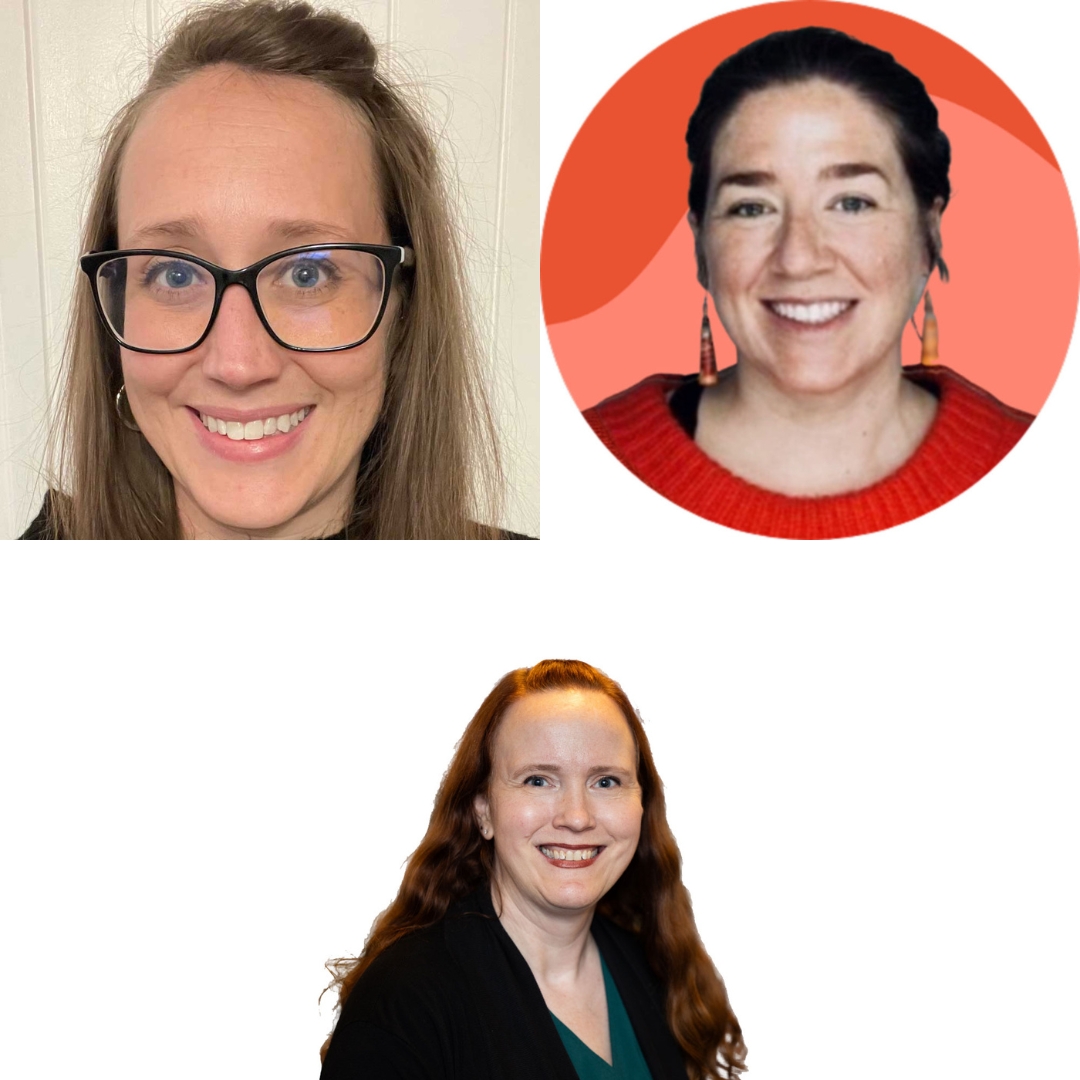
Presenter(s)
Event Details
Company-Affiliated:
Topic:
augmentative and alternative communication (AAC)
Format:
lecture
Subject Level:
beginner
Age Span:
infant / toddler
preschool
kindergarten - grade 6
grades 7-12
adult
Target Audience:
AT specialist
autism specialist
consultant
deaf / hard of hearing
educator
family member / caregiver
healthcare administration
K-12 administration
occupational therapist
paraprofessional
physical therapist
special educator
speech language pathologist
teacher of the visually impaired
university professor / personnel
vision impairment specialist
Professional Development Credits
IACET CEUs:
0.01
ACVREP CEs:
1
Presentation Length: 1 hour
Date and Time (Central Daylight Time):
- October 21, 2026
- 10:00 AM - 11:00 AM
Location:
Plaza 1
Description:
Graphic symbols sit at the heart of AAC—but how much do we really understand about how they support language and literacy? This session invites attendees into an engaging, research-informed conversation that challenges common assumptions about symbol learning. We’ll explore what matters most when choosing and teaching symbols, including transparency, iconicity, and the interplay between symbol knowledge and language development. Together, we’ll compare symbol types—from single-meaning, multi-meaning and semantically-coded symbols and the alphabet—to consider what symbols represent and how they shape different types of comprehension. Participants will be encouraged to rethink how symbols support (or sometimes hinder) literacy, and what mindful symbol use looks like in practice. The session concludes with practical clinical takeaways to guide evidence-based AAC assessment, intervention, and system design.
Learning Outcomes:
As a result of this activity, participants will be able to:
• Apply evidence-informed principles to support both symbol use and literacy development in AAC intervention.
• Describe one intrinsic and one extrinsic factor to a learner that impacts symbol learning.
• List two considerations when examining symbol use to support literacy activities.
Disclosures:
Financial disclosure(s): Amanda receives a full-time salary from Smartbox.
Non-financial disclosure(s): Amanda is a member of ASHA.
Financial disclosure(s): Alicia receives a full-time salary from Smartbox. She also earns part-time income from her private practice.
Non-financial disclosure(s): Alicia is a member of ASHA, USSAAC, ISAAC, and RESNA. She is also a co-guardian of an individual who is nonspeaking, has complex communication and access needs, and uses a speech generating device.
Financial disclosure(s): Melanie receives a full-time salary from Smartbox.
Non-financial disclosure(s): Melanie is a member of ASHA, USSAAC, and ISAAC. She is also a member of the DEIA and AAC Awareness committees for USSAAC but receives no compensation for these roles.
Leave A Comment
You must be logged in to post a comment.