
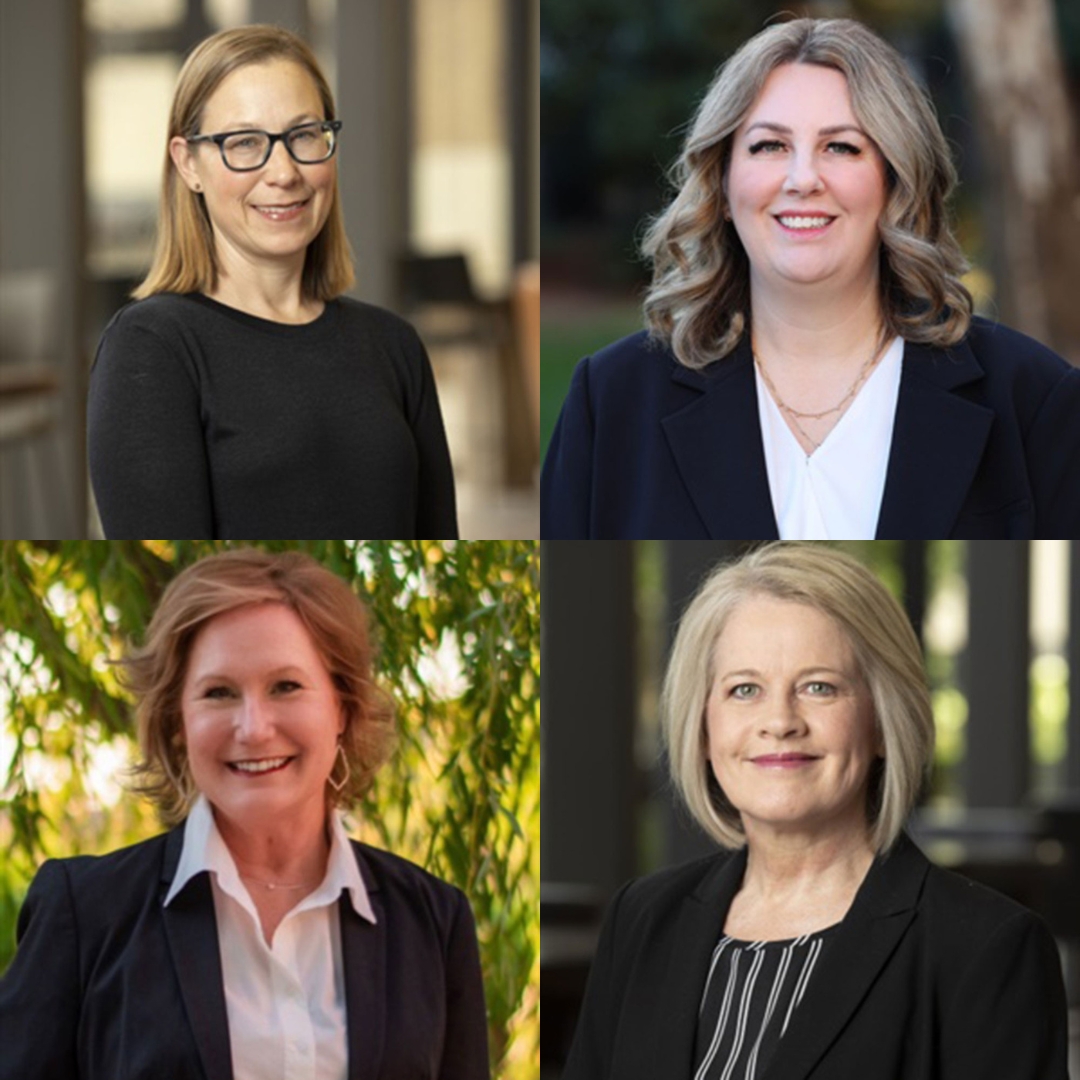
Presenter(s)
Event Details
Topic:
autism spectrum disorder (ASD)
Format:
lecture
Subject Level:
intermediate
Age Span:
preschool
Target Audience:
autism specialist
educator
occupational therapist
physical therapist
special educator
speech language pathologist
Professional Development Credits
IACET CEUs:
0.01
ACVREP CEs:
1
Presentation Length: 1 hour
Date and Time (Central Daylight Time):
- October 21, 2026
- 3:00 PM - 4:00 PM
Location:
Plaza 5
Description:
This session will focus on the use of video modeling in a preschool for autistic children. Video modeling is used by a team of speech-language pathologists and occupational therapists to support autistic preschoolers in transitions, play skills, and social activities. The session will demonstrate how to create video models, how to use video modeling to support all students, and provide demonstrations of video modeling in action, as well as show the progression of video modeling the team has developed from novice to more targeted and effective. Participants will leave this session with a better understanding of how to create and implement video models, the value of video models in a preschool environment and the efficacy of using this tool to support a class of preschoolers.
Learning Outcomes:
As a result of this activity, participants will be able to:
• 1. As a result of this session, Participants will identify at least two benefits of video modeling in skill development in autistic preschoolers.
• 2. As a result of attending this session, Participants will identify at least two video modeling strategies to support participation in common preschool routines (e.g., transitions, circle time, turn-taking, or motor activities).
• 3. As a result of attending this session, Participants will design an outline to use to create a video model to use within a classroom setting and create a plan to integrate video models into daily activities to improve communication, social interaction, and functional participation.
Disclosures:
Daiquirie is an assistant professor at the University of Oklahoma Health Center campus, where she receives a salary for teaching and serving as a clinical instructor in the ILeap preschool program. Daiquirie uses video modeling in her courses, as a clinical instructor and as a clinician. She teaches speech-language pathology students and occupational therapy students how to create, implement and dissemenate video modeling. However, she does not receive financial compensation for the use of this technology.
Amber Davis is a clinical assistant professor at the University of Oklahoma Health Center campus, where she receives a salary for teaching, serving as a clinical instructor in the ILeap preschool program, and working with the Lee Mitchener Tolbert Center for Developmental Disabilities. Amber uses video modeling in her courses, clinical instruction and as a clinician, however, she does not receive financial compensation for the use of this ubiquitous technology.
Michele is a clinical assistant professor at the University of Oklahoma Health Center campus and director of the Lee Mitchener Tolbert Center for Developmental Disabilities and Oklahoma Autism Network. She receives a salary for this work. She supports the use of video modeling clinically and as an effective technology for individuals with disabilities. However, she does not receive financial compensation for the use of this technology.
Beth is an assistant professor at the University of Oklahoma Health Center campus, clinic coordinator and director of the the ILeap preschool where she receives a salary for teaching and serving as a clinical instructor in the ILeap preschool program. Beth uses video modeling in her courses, as a clinical instructor and as a clinician. She teaches speech-language pathology students and occupational therapy students how to create, implement and dissemenate video modeling. However, she does not receive financial compensation for the use of this technology.
Leave A Comment
You must be logged in to post a comment.