
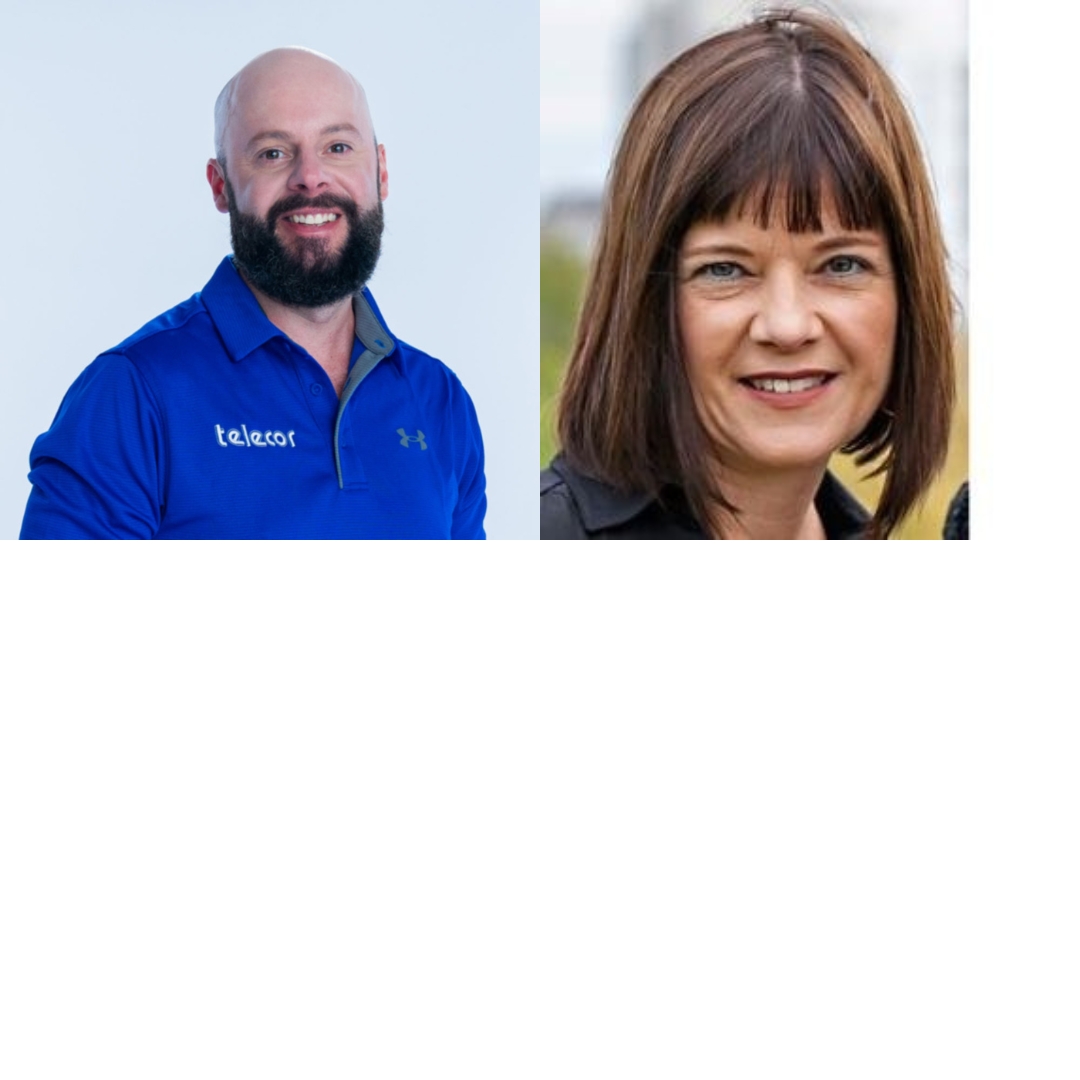
Presenter(s)
Event Details
Company-Affiliated:
Topic:
deaf and hard of hearing
Format:
demonstration
Subject Level:
intermediate
Age Span:
kindergarten - grade 6
grades 7-12
adult
Target Audience:
AT specialist
consultant
deaf / hard of hearing
educator
family member / caregiver
K-12 administration
paraprofessional
special educator
university professor / personnel
Professional Development Credits
IACET CEUs:
0.01
ACVREP CEs:
1
Presentation Length: 1 hour
Date and Time (Central Daylight Time):
- October 21, 2026
- 11:30 AM - 12:30 PM
Location:
Atrium 2
Description:
Participants will examine how universal design will support cost-effective accessibility for all people in public settings, with an emphasis on schools and other shared environments. The session will begin by outlining why built-in access will often provide broader benefit than individual accommodation alone. It will then explore the need for accessible public address and emergency notification, using concrete examples from campus communication challenges faced by people who are Deaf or Hard of Hearing. Attendees will review practical barriers in relying on smartphones, apps, or individual hearing technologies, and will consider an integrated product example, Telecor’s eWear smart watch within the eSeries platform. The session will conclude by framing the funding gap and preparing participants for a follow-up discussion of solutions ranging from grassroots efforts to state and federal grants.
Learning Outcomes:
As a result of this activity, participants will be able to:
• Participants will be able to describe the role of universal design in creating cost-effective accessibility for the greatest number of people in public-sector environments.
• Participants will be able to analyze the need for accessible public address and emergency notification systems in schools and other shared environments where audible-only communication does not reach everyone effectively.
• Participants will be able to compare individual assistive-technology funding models with universal-design funding approaches and identify why shared accessibility solutions often require broader grassroots, local, state, or federal support.
Disclosures:
Kyle Jova is the COO of Telecor Inc. He is a representative for the company, and as such, earns an annual salary from their employment.
As a paid consultant, Lori Griggs earns annual compensation from various manufacturer and integrator clients including Telecor.
Leave A Comment
You must be logged in to post a comment.